Common Laundry Mistakes That Can Damage Your Clothes
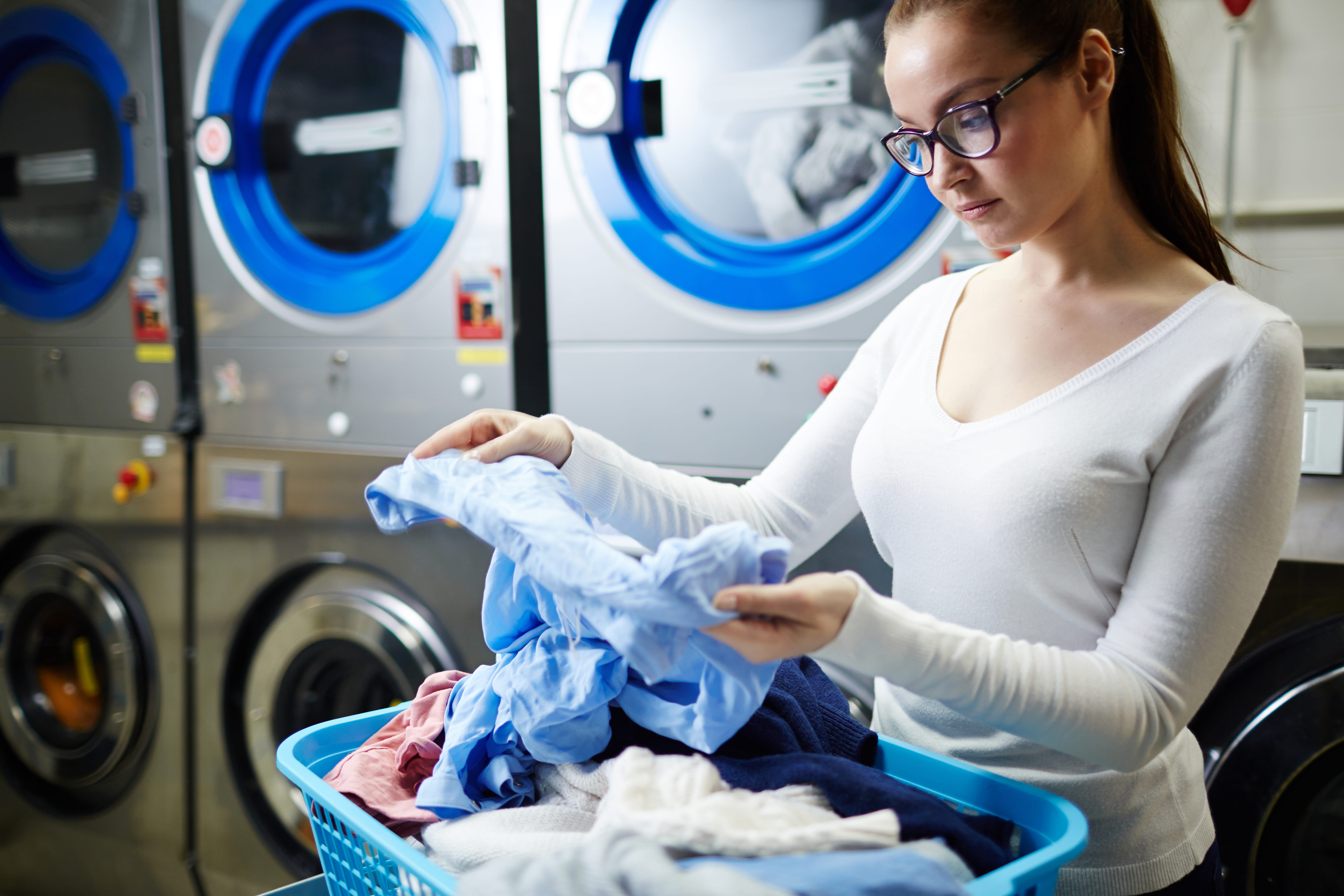
Laundry damage rarely begins with one dramatic mistake. More often, clothes lose their shape, color, or softness because the same small problems happen load after load, such as using too much detergent, choosing excessive heat, or washing delicate pieces beside heavy fabrics.
A better routine does not have to make laundry day complicated. A few thoughtful choices can reduce friction, residue, stretching, fading, and shrinkage while helping shirts, jeans, towels, activewear, and household linens stay in better condition.
Ignoring the Care Label
Care labels explain how much heat, agitation, and moisture a garment can tolerate, even when two pieces look almost identical. Check the label before washing a new item, then separate anything that requires cold water, a gentle cycle, air-drying, or dry cleaning. This brief review is especially useful for sweaters, athletic clothing, lined garments, and pieces with prints or embellishments.
Overloading the Washer
A tightly packed washer may seem efficient, but clothing needs room to move through the water and detergent. When the drum is overloaded, garments press and scrape against one another, while soap and soil may remain trapped in folds that never rinse properly. Heavy jeans, sweatshirts, and towels can also pull on thinner shirts or delicate seams throughout the cycle.
Use the hand-space test before starting the machine. In many top-loading washers, you should be able to place a hand above the load without forcing the clothes downward, while front-loading machines should contain a loose load rather than a compressed bundle. Dividing one crowded load into two balanced loads takes longer, although it often cleans more evenly and reduces unnecessary wear.
Using More Detergent Than the Load Needs
Extra detergent does not necessarily create extra cleaning power. When the washer cannot rinse all of the soap away, residue can make fabrics feel stiff, attract lint, hold onto odors, and leave dark clothing looking cloudy. Clothing that smells strongly of detergent after drying may not have rinsed as thoroughly as it should.
Measure detergent according to the product directions, washer type, load size, and soil level. High-efficiency machines use less water than traditional washers, so pouring detergent by sight can quickly lead to buildup. Reducing the dose and leaving enough room in the drum are usually better solutions than automatically adding an extra rinse.
Sorting Laundry by Color Alone
Separating whites and darks helps control dye transfer, yet color is only one part of effective sorting. Fabric weight, texture, lint production, and soil level also influence how much rubbing a garment experiences and which cycle will clean it appropriately. Heavy denim and sturdy work clothes should not share a load with thin shirts, delicate knits, or lightweight sleepwear.
A practical sorting routine does not require a separate basket for every fabric. Groups for lights, darks, towels, and delicate or lightweight items are often enough to prevent rough materials from damaging softer ones. Keeping lint-producing towels and blankets away from dark knits and smooth synthetics can also reduce the amount of lint left behind.
Washing Every Load in Hot Water
Hot water can be appropriate for some washable items, but it is not a universal setting. Repeated heat exposure may fade dark colors, shrink certain fibers, weaken elastic, and shorten the life of printed designs. Cold water is often suitable for everyday clothing and lightly soiled fabrics, while warm water may be useful when the care label allows it and the load needs additional cleaning.
Temperature choices also affect mixed loads. A dark cotton shirt, a white towel, and a synthetic workout top may all tolerate different conditions, which is another reason careful sorting matters. Choosing one temperature for convenience can expose the most sensitive item to more heat than it needs.
Leaving Zippers, Hooks, and Fasteners Loose
Open zippers and exposed hooks can catch on other garments while the washer turns. Close zippers, secure hooks, fasten hook-and-loop closures, and place bras or other snag-prone pieces in a mesh laundry bag. Buttons should generally be left unfastened because a closed button may place extra tension on its thread and buttonhole.
Forgetting to Check Pockets
A tissue left in a pocket creates a frustrating mess, but pens, lip balm, gum, coins, and small hardware can cause more serious damage. Check every pocket before clothing enters the washer, including the small compartments in jeans, jackets, uniforms, and children’s clothes. Turning pocket linings outward also helps remove crumbs, grit, and debris that might otherwise remain after the wash.
A Quick Check Before Every Load
-
Read the label
-
Empty pockets
-
Close zippers
-
Sort by fabric
-
Leave drum room
-
Measure detergent
-
Match the cycle
-
Lower the heat
-
Unload promptly
Scrubbing Stains Too Aggressively
Hard scrubbing may spread a stain, push it deeper into the fibers, or wear down the fabric surface. Delicate weaves and dark colors can develop permanent light spots or rough patches when they are rubbed too forcefully. Blot fresh spills with a clean cloth, work from the outside toward the center, and use a treatment intended for the fabric.
Give the stain treatment enough time to work rather than immediately attacking the area with a brush or towel. Inspect the garment before moving it into the dryer because heat can make some stains much harder to remove. Another careful treatment is usually preferable to permanently setting the mark.
Letting Wet Clothes Sit in the Washer
Damp laundry left in a closed washer can develop a musty odor, while darker dyes may transfer onto nearby lighter items. Move each load to the dryer or drying rack soon after the wash cycle ends, and set a phone reminder when the machine starts if laundry is easy to forget. When clothes already smell musty, rewashing them is usually more effective than trying to cover the odor with heavily scented dryer products.
Choosing the Wrong Wash Cycle
A heavy-duty cycle uses more agitation than many everyday garments need. That extra movement may help with sturdy, heavily soiled fabrics, but it can also stretch clothing, loosen seams, increase pilling, and wear down softer surfaces. Gentle settings suit many knits and lightweight garments, while permanent-press cycles may reduce harsh agitation and deep wrinkling in some synthetic blends.
Match the cycle to the most delicate item in the load, not the toughest piece. Cycle selection also works best when sorting and load size are already correct. A gentle setting cannot fully protect a thin shirt if it is trapped beneath several wet towels or heavy pairs of jeans.
Using Fabric Softener on Everything
Fabric softener leaves a coating that can change how certain materials perform. Towels may become less absorbent, microfiber cloths may clean less effectively, and moisture-wicking athletic wear may have more difficulty moving sweat away from the body. Skip softener when the care label advises against it, and measure carefully when it is appropriate rather than assuming that a stronger fragrance means cleaner clothing.
Drying Clothes With Too Much Heat
High dryer heat can shrink natural fibers, damage elastic, crack printed graphics, and weaken stretch materials. The damage may not be obvious after one cycle, but repeated overdrying can gradually change the fit and texture of familiar clothes. Use a lower setting for everyday shirts, undergarments, activewear, and garments containing elastic or spandex.
A useful dryer habit is to remove lighter pieces before heavier ones are finished. Thin shirts may be completely dry while towels still need additional time, so treating every item as though it requires the longest cycle creates unnecessary heat exposure. Air-dry or lay garments flat whenever the care label recommends it.
Washing Clothes More Often Than Necessary
Every wash exposes clothing to water, detergent, friction, and temperature changes. Jeans, sweaters, jackets, and outer layers may not need cleaning after every brief wear when they are free of sweat, stains, and odors, although socks, undergarments, activewear, and visibly soiled pieces should be washed promptly. Airing out lightly worn garments in a separate area can make it easier to wear them again without mixing them with freshly cleaned clothes.
Neglecting the Washer and Dryer
A dirty machine can transfer residue, lint, and odors back onto clothing. Clean the washer according to the manufacturer’s instructions, wipe areas where moisture collects, and remove lint from the dryer screen after each load. Machine care supports more consistent results and may prevent people from compensating for buildup with stronger detergent, longer cycles, or higher heat.
Pay attention when drying times begin to increase because that change can signal restricted airflow or a maintenance issue. Following the equipment manufacturer’s cleaning guidance helps protect both the machine and the clothing moving through it. It also helps each load dry under more predictable conditions.

Better Habits Protect Your Clothes
The most damaging laundry mistakes are usually ordinary habits repeated without much thought. Crowded loads, excess soap, rough sorting, forgotten stains, and high dryer heat can gradually make clothing look faded, stretched, or worn before its time.
Checking each load before it starts is often more effective than trying to correct damage after the clothing is dry. Reading labels, choosing the right machine setting, and giving fabrics enough room are practical habits in any laundry room.
Households in Hamilton, Fairfield, and Middletown can use these principles whether they are washing at home or handling larger loads at The Laundry Spot.
These details also make it easier to choose the proper washer size in our self-service laundry rather than forcing everything into the smallest available machine, and our drop-off laundry service is there when you would rather hand the load to someone else.




