How to Keep Towels Soft (Even After Dozens of Washes)
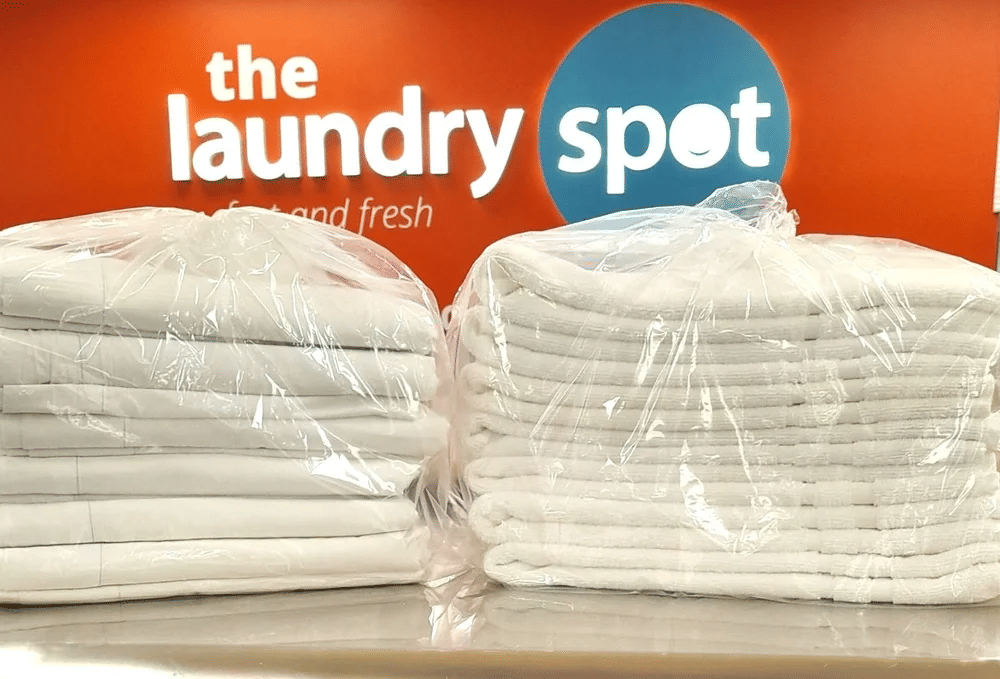
Few things feel better than wrapping up in a soft, fluffy towel after a shower. Unfortunately, many towels lose that softness over time and end up stiff, scratchy, or less absorbent than they used to be. The good news is that this is not inevitable. With the right washing habits, you can keep your towels soft and fresh even after dozens of washes.
Here are proven tips from laundry professionals to help your towels stay comfortable and long-lasting.
Why Towels Get Stiff Over Time
Towels are designed to absorb moisture, which means they naturally trap detergent residue, fabric softener buildup, minerals from hard water, and body oils. Over time, these residues coat the fibers, preventing them from fluffing properly and reducing absorbency.
Common causes of stiff towels include:
- Using too much detergent
- Overusing fabric softener
- Washing towels with heavy clothing
- Over-drying on high heat
Understanding these causes is the first step toward fixing the problem.
Use Less Detergent Than You Think
More detergent does not mean cleaner towels. In fact, excess detergent is one of the biggest reasons towels become stiff.
When too much detergent is used, it does not rinse out completely. The residue left behind causes fibers to clump together, making towels feel rough and less absorbent.
Skip Fabric Softener for Towels
Fabric softener may make clothes feel softer at first, but it is not towel-friendly. Fabric softener coats towel fibers with a waxy layer that reduces absorbency and causes long-term stiffness.
If your towels already feel stiff, fabric softener is likely part of the problem.
What to do instead:
Use white vinegar as a natural softening agent. Add about half a cup of white vinegar during the rinse cycle to help break down detergent residue and mineral buildup.
Wash Towels Separately
Towels should be washed separately from clothing. Mixing towels with jeans, hoodies, or other heavy items causes friction that breaks down fibers faster.
Washing towels on their own also allows them more room to rinse properly, which helps prevent detergent buildup.
Avoid Overloading the Washer
Overloading prevents towels from moving freely in the washer, which means they do not rinse or clean properly. This leads to trapped detergent and stiffness.
For best results:
- Fill the washer loosely
- Allow space for towels to tumble freely
- Choose a cycle designed for bulky or heavy fabrics
Large-capacity washers at a laundromat are especially helpful for towel loads.
Use Warm Water, Not Hot
Hot water can damage towel fibers over time, making them rough and brittle. Warm water is usually sufficient to clean towels while protecting their softness.
If you need to sanitize towels, consider professional laundering methods that clean deeply without harsh heat.
Dry Towels the Right Way
Over-drying is one of the fastest ways to ruin towel softness. High heat breaks down fibers and causes towels to feel stiff.
For softer towels:
- Use medium heat instead of high
- Remove towels promptly when dry
- Shake towels out before folding
If possible, alternate between machine drying and air drying to extend towel life.
Deep Clean Towels to Remove Buildup
If your towels feel stiff, less absorbent, or have developed a musty smell, detergent and mineral buildup may be trapped in the fibers. An occasional deep clean can help refresh them and restore their softness.
Try this simple two-step refresh:
- Wash the towels in warm water with one cup of white vinegar and no detergent.
- Run a second warm wash with half a cup of baking soda and no detergent.
Once finished, dry the towels thoroughly on medium heat and remove them promptly from the dryer. This process can help loosen stubborn residue, reduce odors, and leave towels feeling fresher and more absorbent.
When Professional Laundry Makes a Difference
If you want consistently soft towels without the trial and error, professional wash and fold or drop-off laundry services can help.
Commercial machines rinse more thoroughly, use precise detergent amounts, and dry fabrics evenly.
Professional laundering is especially helpful for:
- Large towel loads
- Household towels used daily
- Gym, salon, or Airbnb towels
- Families with limited time
Keep Your Towels in Great Condition for the Long Term
Soft towels are not about buying the most expensive brand. They are about how you wash and dry them. By using less detergent, skipping fabric softener, washing towels separately, and drying them properly, you can enjoy fluffy, absorbent towels for years.
If you ever want help keeping your towels fresh, soft, and ready to use, professional laundry services can take the guesswork out of the process and save you time every week.