How to Wash Pet Bedding and Keep Odors Away for Good
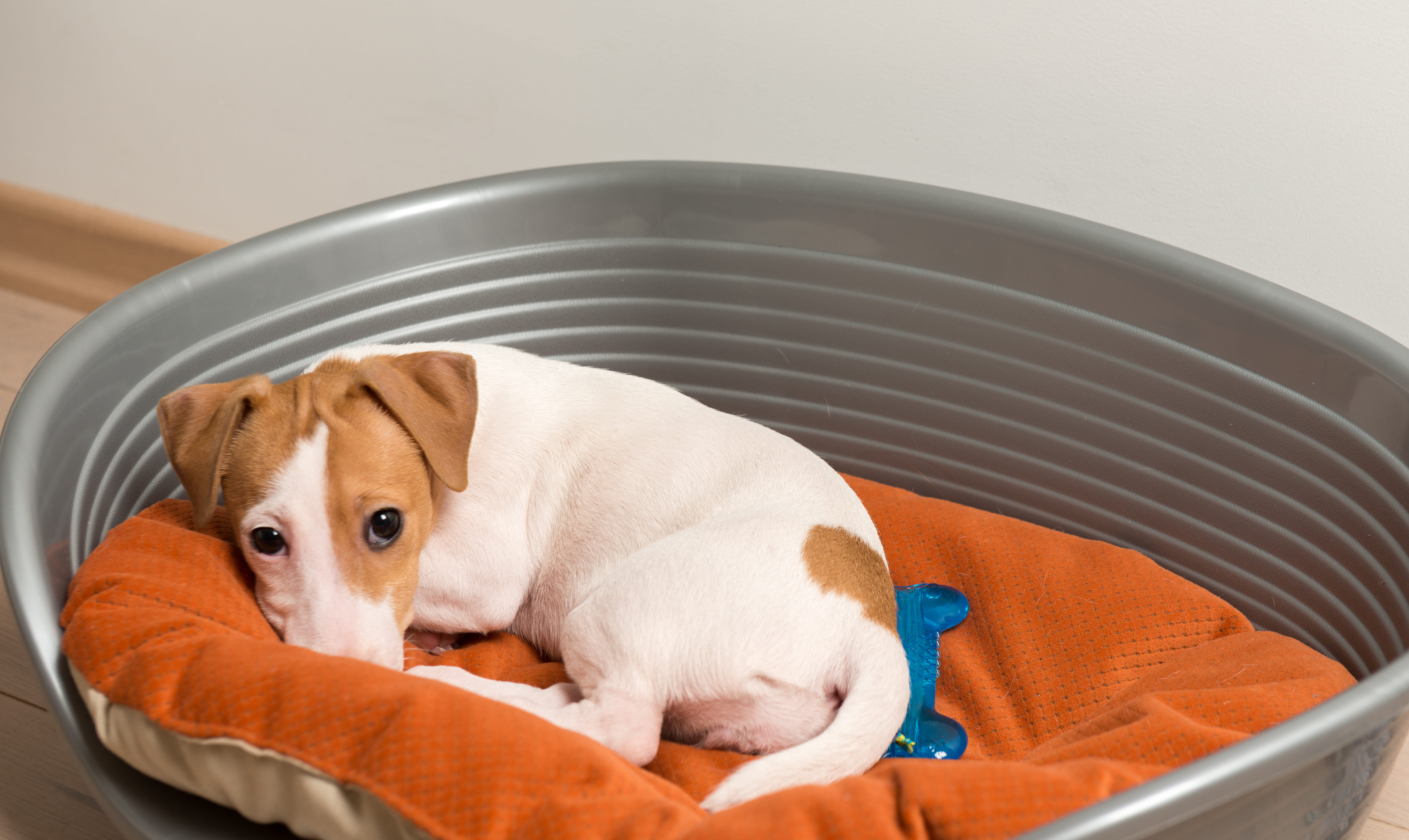
Pet bedding works hard. From fur and dirt to drool, oils, and everyday odors, dog and cat beds absorb a lot more than regular household laundry. Washing them the wrong way can leave lingering smells, flattened padding, or fabric that never quite feels clean.
The good news is that with the right approach, you can keep pet bedding fresh, odor-free, and comfortable for your pets long term.
Here is how to wash pet bedding properly and stop odors from coming back.
Why Pet Bedding Holds Odors
Pet bedding traps odors more easily than blankets or towels because it absorbs:
- Pet hair and dander
- Body oils
- Moisture and saliva
- Outdoor dirt and bacteria
If these materials are not fully removed during washing, odors get locked into the fabric and padding. Simply masking smells with scented detergent does not fix the problem.
Shake and Vacuum Before Washing
Before pet bedding goes anywhere near the washer, remove as much loose debris as possible.
- Shake bedding outside to remove hair and dirt
- Use a vacuum with a pet hair attachment if needed
- Remove removable covers when possible
This step protects your washer and helps detergent reach the fabric more effectively.
Check the Care Label First
Always check the care instructions on pet bedding. Some beds are machine washable, while others require gentle cycles or air drying only.
If the bedding has a removable cover, wash the cover separately and according to its fabric type.
Use the Right Water Temperature
Warm water works well for most pet bedding. It is hot enough to loosen oils and odors without damaging fabric or shrinking materials.
For heavily soiled bedding or strong odors, hot water may be appropriate if the care label allows it. When in doubt, start with warm.
Use Less Detergent Than You Think
Using too much detergent is a common mistake. Excess detergent can trap odors instead of removing them, especially in thick pet beds.
Use a smaller amount of detergent and choose one designed for odor removal rather than heavy fragrance.
Avoid detergents with strong perfumes, which can irritate pets and mask smells instead of eliminating them.
Skip Fabric Softener
Fabric softener leaves a residue that traps odors and reduces absorbency. It can also irritate sensitive pet skin.
Instead of fabric softener, add half a cup of white vinegar during the rinse cycle. Vinegar helps break down odor-causing residue and rinses clean without leaving a scent behind.
Wash Pet Bedding Separately
Always wash pet bedding separately from clothing and towels. This prevents pet hair from transferring to other laundry and allows bedding to rinse thoroughly.
If the bedding is bulky, use a washer large enough to allow it to move freely during the wash cycle.
Dry Thoroughly to Prevent Odors
Moisture is a major cause of lingering smells. Pet bedding must be completely dry before being used again.
- Use medium heat rather than high heat
- Add dryer balls to help fluff padding and improve airflow
- If air drying, ensure bedding is fully dry before bringing it inside
Damp bedding, even slightly, can quickly develop mildew odors.
Deep Clean for Stubborn Odors
If odors persist after a normal wash, a deep clean may be needed.
Try this two-step method:
- Wash with hot water and one cup of white vinegar, no detergent
- Wash again with warm water and a small amount of detergent
This process removes built-up oils and bacteria that standard washing can miss.
How Often Should You Wash Pet Bedding?
Most pet bedding should be washed every one to two weeks. More frequent washing may be needed if your pet:
- Spends time outdoors
- Sheds heavily
- Has allergies or skin conditions
- Sleeps on the bed daily
Regular washing prevents odors from becoming embedded and makes each wash more effective.
When Professional Laundry Helps
Large or heavily padded pet beds can be difficult to clean at home.
Professional laundry services use commercial machines that rinse thoroughly and dry evenly, which helps eliminate odors more effectively.
Professional washing is especially helpful for:
- Large dog beds
- Multiple pet households
- Pet bedding used in kennels, grooming salons, or boarding facilities
- Anyone struggling with persistent odors
Keeping Pet Bedding Fresh Long-Term
Keeping pet bedding odor-free is not about stronger detergent or more fragrance. It is about proper preparation, the right washing habits, and thorough drying. By following these steps, you can keep your pet’s bedding fresh, comfortable, and clean for the long haul.
If you ever need help washing bulky pet bedding or want consistent, odor-free results, professional laundry services can save time and ensure a deeper clean.