How to Wash White Clothes
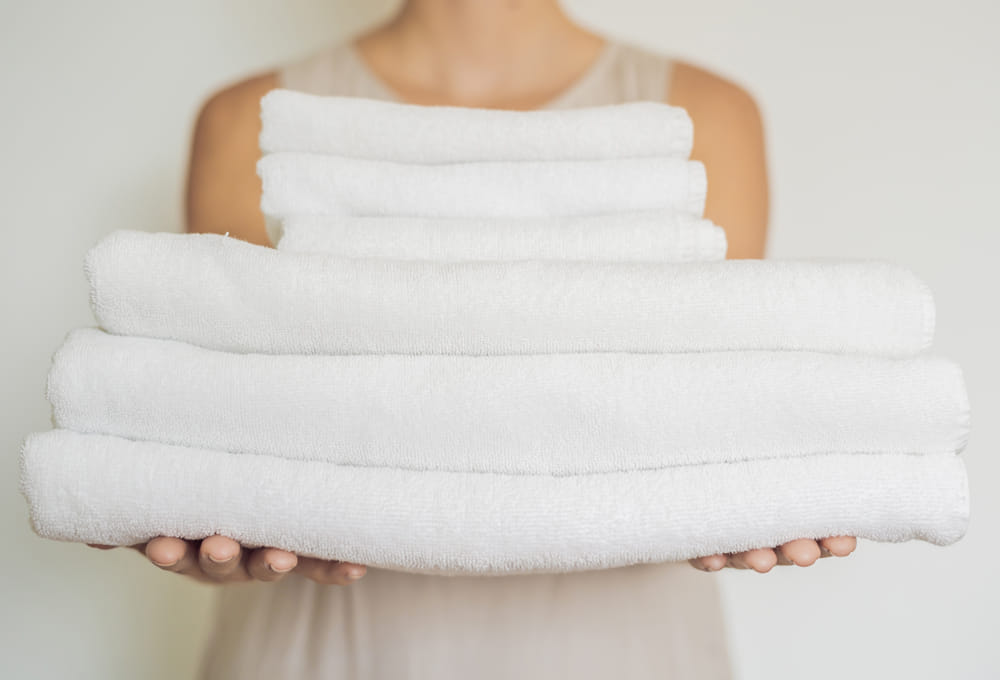
White clothes have a way of making laundry feel more serious than it should. A gray T-shirt, a yellowed undershirt, or a towel that never quite looks clean can make you wonder whether you used the wrong detergent, picked the wrong cycle, or accidentally offended the laundry gods.
The truth is much less dramatic, although it is still important. White clothes usually lose their brightness because of dye transfer, body oils, sweat, detergent buildup, hard water, poor sorting, or heat that sets stains before they are fully gone.
Start With the Kind of White Laundry You Actually Have
Not all white clothes should be washed the same way, even though it is tempting to throw every white item into one load and hope for the best. A white cotton towel, a white dress shirt, a white athletic top, and a white baby onesie may share a color, but they do not share the same fabric, weight, soil level, or tolerance for heat.
Before you start the washer, take a minute to separate whites into practical groups. Heavy towels can go together, sheets usually do best with other sheets, sturdy cotton clothes can handle a more active wash, and delicate items deserve a gentler cycle.
This small sorting step can prevent a surprising number of problems.
Keep Whites Away From Colors, Even Light Ones
White laundry should be washed separately from colored clothing because dye transfer does not always happen in one obvious disaster. Sometimes, the damage is slow and sneaky, with whites turning a little duller each time they share water with gray sweatpants, pale blue towels, faded jeans, or pastel shirts.
New clothes are especially risky because extra dye can rinse out during the first few washes. Even older clothing can still release color if the water is warm, the load is packed tightly, or the fabric rubs against white items for a full cycle.
When in doubt, keep the white load truly white. It may feel overly careful at first, but it is much easier to prevent dullness than to reverse it later.
Why Do White Clothes Get Dingy?
Dinginess usually comes from buildup. Body oils, sweat, skin cells, deodorant, lotion, detergent residue, lint, minerals from hard water, and tiny bits of soil can settle into fabric, where they make white clothing look gray or tired.
This is why white clothes can look “not dirty” when you put them in the hamper, then come out of the washer still looking less than fresh. The fabric may be clean enough to wear, but if the wash did not fully remove residue, the brightness will keep fading over time.
A brighter white load usually starts with better rinsing, better sorting, and enough space in the washer for water and detergent to move through the fabric.
Should You Wash White Clothes in Hot Water?
Hot water can be useful for sturdy white cotton items, especially towels, washcloths, socks, sheets, and undershirts that collect sweat, oils, and heavier soil. Heat helps detergent work more aggressively, which can make a noticeable difference when the fabric can safely handle it.
That said, hot water is not the right answer for every white garment. Some white clothes shrink, stretch, fade at printed areas, lose elastic strength, or wear out faster when they are washed too hot.
The care tag matters. If the label says cold or warm water, follow that guidance rather than assuming white fabric automatically needs the hottest setting.
For everyday white clothing, warm water is often the safest middle ground because it gives detergent more cleaning power than cold water while being gentler than a hot wash. Cold water can still work well for lightly worn items, delicate fabrics, or clothes with printed designs, as long as you pretreat stains and avoid overloading the machine.
Pretreat Stains Before They Have a Chance to Set
White clothes do not forgive stains quietly. Coffee, tomato sauce, grass, makeup, cooking oil, sweat, and deodorant marks all stand out, which means pretreating is one of the best laundry habits you can build.
For many stains, a small amount of liquid detergent or stain remover worked gently into the spot can help loosen the residue before the wash begins. Let it sit for a few minutes, but do not scrub the fabric aggressively, especially if the garment is thin or stretchy.
Grease needs extra respect. An oil mark may seem to disappear in the washer, then show up again once the shirt dries, which is why greasy stains should be treated before washing and checked before drying.
Do Not Let Heat Make the Stain Permanent
The dryer is convenient, but it can also turn a removable stain into a stubborn one. Before you move white clothes from the washer to the dryer, inspect any item that had a visible stain going in.
If the mark is still there, treat it again and rewash it. It is annoying in the moment, but it is still better than baking the stain into the fabric.
This matters most with underarm stains, cooking oil, blood, grass, and makeup because those marks can become much harder to remove after high heat.
Use Enough Detergent, Not Too Much
Detergent is supposed to lift soil away from fabric and hold it in the wash water so it can rinse out. When you use too little, white clothes may not get fully clean, especially if the load is large, sweaty, or full of towels.
Too much detergent creates a different problem. Extra soap can leave residue behind, and that residue may trap lint, minerals, dirt, and body oils, which makes whites look dull even after they have been washed.
Measure based on the detergent instructions, the size of the load, and how dirty the clothing is. A full load of sweaty white socks and T-shirts needs more cleaning power than a small load of lightly worn white dress shirts, but neither load benefits from a random heavy pour.
Bleach Can Help, but It Is Not Always the Hero
Chlorine bleach can whiten some sturdy fabrics, yet it can also weaken fibers, yellow certain synthetic materials, damage elastic, and shorten the life of clothing when it is used too often. It is powerful, which is exactly why it should be used carefully.
Oxygen-based bleach is often a gentler brightening option for washable whites. It can be especially helpful as a soak for dingy towels, socks, and cotton items, although you still need to check the care label first.
Never mix bleach with vinegar, ammonia, or other cleaning products. Laundry should smell clean, not like a chemistry warning.
What Causes Yellow Underarm Stains?
Yellow underarm stains are usually caused by the combination of sweat, body oils, and antiperspirant residue. Aluminum-based antiperspirants can react with sweat, and over time, that reaction may leave yellow buildup that regular washing does not always remove.
The best way to deal with underarm yellowing is to treat it early. Once the fabric has gone through repeated washing and drying cycles with that residue still in place, the stain becomes harder to lift.
For white shirts that you wear often, pretreat the underarm area before the yellowing becomes obvious. You can also wash sweaty shirts sooner rather than letting them sit in the hamper for days, where odor and oils have more time to settle.
Give the Washer Room to Do Its Job
A washer that is packed too tightly cannot clean well because the clothes do not have enough room to move. Instead of tumbling, lifting, and rinsing, the fabric bunches together, which can leave detergent, dirt, and body oils trapped in the load.
White clothes show this problem quickly. They may come out streaky, stiff, gray, linty, or still slightly sour-smelling, even though you used detergent and ran a full cycle.
This is where a laundromat can make life much easier. The high-capacity machines at The Laundry Spot give bulky whites, towels, bedding, and family-size loads more space to wash properly, which can mean cleaner results in fewer rounds.
Wash Towels, Sheets, and Clothes in Separate Loads When You Can
White towels are heavy, linty, and rough compared to most clothing. When they wash with T-shirts, dress shirts, or lighter fabrics, they can create friction, leave lint behind, and keep smaller items from moving freely.
Sheets have their own issue. They like to wrap around other pieces, which can trap shirts, socks, or pillowcases inside a damp bundle that does not wash or rinse evenly.
Keeping similar items together is not about being fussy. It is about giving each type of laundry the kind of movement and water flow it needs.
How Do You Brighten Whites That Already Look Dull?
Dull whites can often be improved, although the best method depends on what caused the problem. If the issue is detergent residue, a thorough wash with the correct detergent amount and an extra rinse may help.
If the fabric has general grayness, an oxygen-brightening soak may make it look fresher. Give the product enough time to work, follow the directions, and wash the items afterward so loosened residue can rinse away.
Hard-water buildup may need a different approach because minerals can cling to fabric and interfere with cleaning. In that case, using the right detergent, avoiding overloads, and choosing a strong enough cycle can help prevent the problem from coming back.
Some whites will not return to their original brightness, especially if the fibers are worn, the fabric has been repeatedly dried with stains, or the garment has aged in storage. Even then, better washing habits can keep the rest of your white laundry from reaching that point too quickly.
Be Careful With Fabric Softener
Fabric softener can make laundry feel smoother, but it can also leave a coating behind. On white clothing and towels, that coating may hold onto oils, reduce absorbency, and create a dull look over time.
This is especially noticeable with white towels. If they feel waxy, smell stale quickly, or do not absorb water like they used to, fabric softener or dryer sheet buildup may be part of the problem.
You do not have to use softener in every load. In many cases, clean rinsing and proper drying do more for freshness than added fragrance or coating.
Dry White Clothes With a Little Patience
Drying white clothes is not just the last step; it is the step where you can either protect your work or accidentally undo it. Check for stains first, then choose a heat level that matches the fabric.
High heat may be fine for sturdy towels, but it can shrink cotton shirts, weaken elastic, and make stains harder to remove later. Lower heat is often better for white T-shirts, underwear, athletic wear, and anything with stretch.
Sunlight can naturally brighten some white cotton fabrics, although too much direct sun may weaken fibers over time. If you air-dry indoors, give the clothes enough space and airflow so they do not dry slowly and develop a musty smell.
Store White Clothes Only When They Are Truly Clean
White clothes can yellow in storage when invisible residue is left behind. A shirt may look clean when you fold it, but body oils, deodorant, sweat, or food residue can oxidize over time and show up months later as yellow patches.
Before storing seasonal whites, wash them carefully and make sure they are completely dry. Dampness can lead to mildew odors, while leftover soil can turn into stains that are much harder to remove later.
A cool, dry storage area is best. Plastic bags that trap moisture are not ideal for long-term storage, especially if the clothes are not perfectly dry.
Make White Laundry Less Annoying at The Laundry Spot
The Laundry Spot is here for the loads that feel too big, too bulky, or too time-consuming at home. Whether you are washing white towels, bedding, uniforms, work shirts, kids’ clothes, or a week’s worth of family laundry, our clean, modern laundromat gives you the machines, space, and convenience to get it done without turning laundry day into an all-day chore.